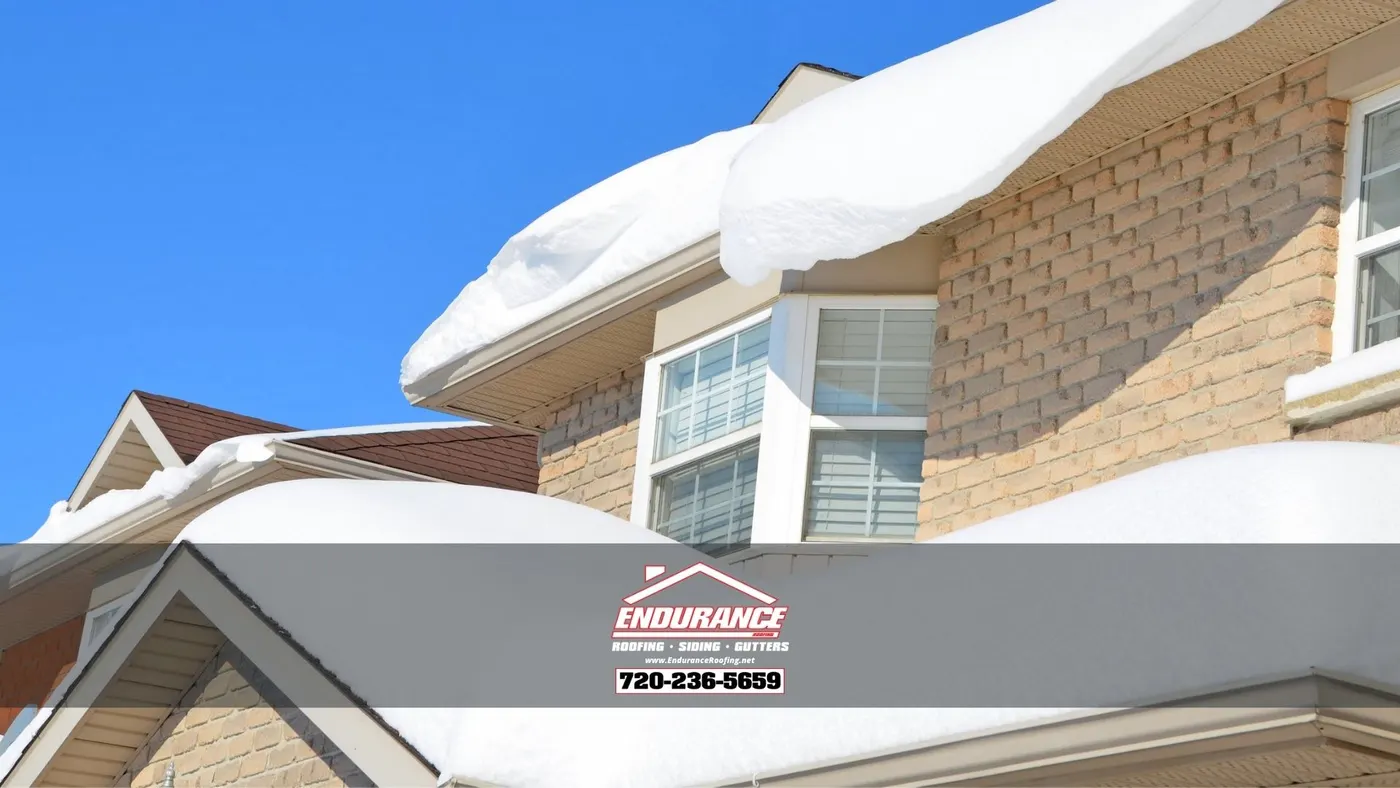
Ten steps to take after a storm damages your Colorado home, from staying safe and documenting the damage to working with your insurance company, plus seven ways to prepare for future storms.
Homeowners in Colorado should know what to do after storm damage. This guide walks you through the necessary actions to take, including tips on how you can prepare for future storms.
Colorado is no stranger to severe weather, including thunderstorms, hailstorms, tornadoes and blizzards.
While these weather events can be exciting to watch from afar, they can also leave behind significant damage to homes, businesses and infrastructure.
In the aftermath of a storm, it can be overwhelming to figure out what to do next. Here's a step-by-step guide to help you get started.
What to do after storm damage
Step 1: Ensure your safety
Before you begin to assess the damage, make sure you and your loved ones are safe.
If there are any downed power lines or other hazards, stay away and call for emergency assistance.
If you smell gas, evacuate the area immediately and call the gas company.
Step 2: Document the damage
Once you know everyone is safe, document the damage.
Take photos and videos of any visible damage to your property. These visual records will be helpful when you file an insurance claim.
Step 3: Contact your insurance company
Next, contact your insurance company to report the damage, and give them the documentation you gathered.
The sooner you report the damage, the sooner your insurance company can begin processing your claim.
Step 4: Mitigate further damage
After reporting the damage to your insurance company, take steps to mitigate further damage.
Cover any holes in the roof or walls with tarps or plywood to keep water from getting inside. If you have broken windows, cover them with plastic sheeting.
By preventing further damage, you may be able to reduce the overall cost of storm damage roof repair.
Step 5: Hire a professional roofing company
While it may be tempting to try to fix the damage yourself, it's usually best to hire a professional roofing company, since they will know exactly what to do after storm damage.
A professional company will have the equipment and expertise to repair your property safely and efficiently.
They will also have experience working with insurance companies and can help you navigate the claims process.
Step 6: Check for water damage
After a storm, it's common for water to get into your home or business. Even if you don't see any visible water damage, it's crucial to check for hidden damage.
Look for water stains on the ceiling or walls, which could indicate a leak in the roof or pipes. Check for dampness or mold growth in the basement or crawlspace.
If you suspect water damage, address it immediately to prevent further damage and health hazards.
Step 7: Check for structural damage
Severe storms can cause structural damage to your property, including damage to the foundation, walls and roof.
It's essential to check for any signs of structural damage, such as cracks in the foundation or walls, leaning walls or a sagging roof.
If you notice any structural damage, have a professional assess it right away, before it puts you and your family at risk.
Step 8: Remove debris
After a storm, there may be debris on your property, including fallen trees, branches and other items.
Remove this debris promptly to keep it from causing further damage. If you're unable to remove the debris yourself, hire a professional to do it for you.
Step 9: Address electrical issues
If your property experienced electrical damage during the storm, it's essential to address it immediately.
Don't attempt to fix electrical problems yourself. Hire a professional electrician to do the work instead.
Electrical problems can be dangerous and should be handled by a trained professional.
Step 10: Stay informed
It's essential to stay informed about any ongoing weather events that could cause additional damage.
Sign up for weather alerts in your area and keep an eye on the news for updates.
By staying informed, you can take steps to protect your property and stay safe during future storms.
Tips to prepare for future storms
Prevention is always better than cure, and the same applies to storm damage on roofs.
Although you can't completely eliminate the risk of damage, there are steps you can take to minimize it and keep you and your loved ones safe.
- Regular roof inspections. Regular inspections can identify weak spots or damage to the roof before they become a major problem. Hire a professional to inspect your roof at least once a year, or after any major storm.
- Trim overhanging trees. Overhanging trees can damage your roof during a storm. Trim any trees near your home to keep branches from falling onto your roof.
- Secure loose objects. Loose objects on your roof, such as satellite dishes, can become airborne during a storm and cause damage. Make sure everything on your roof is properly secured.
- Upgrade your roofing materials. If your roof is old or made from outdated materials, it may be more vulnerable to storm damage. Consider upgrading to more durable materials such as metal, tile or impact-resistant shingles.
- Clean your gutters. Clogged gutters can cause water to back up onto your roof, leading to water damage. Clean your gutters regularly to prevent this.
- Reinforce your roof. If you live in an area prone to severe storms, consider reinforcing your roof with hurricane straps or other reinforcements to help it withstand high winds.
- Check your insurance coverage. Make sure your homeowner's insurance policy covers storm damage. If it doesn't, consider upgrading your policy or adding coverage.
Endurance is a storm damage roof repair expert
If your roof suffered unexpected damage, call Endurance Roofing right away. Our team knows exactly what to do after storm damage.
We respond quickly, before your roof develops additional problems from moisture intrusion, pest infestation and structural safety issues.
We can also help you navigate the insurance claim process so you can get the coverage you need.
Call 720-236-5659 today to get a free quote, or book with Endurance.