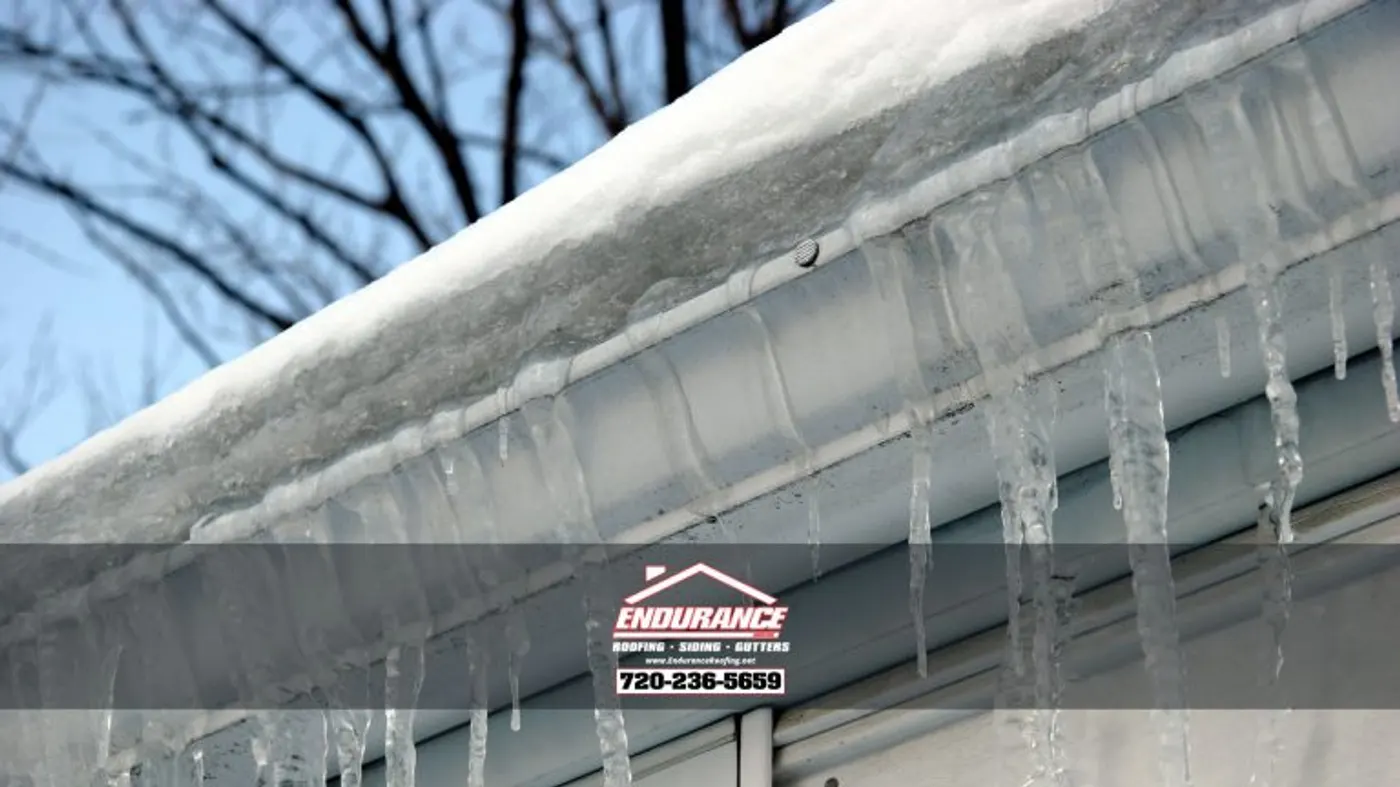
A step-by-step guide to the storm damage roof repair process in Colorado, from assessing the damage and making temporary fixes to filing your insurance claim and getting the repair done.
If you own a property in Colorado, it's crucial to know the storm damage roof repair process.
Your roof is the most exposed part of your property. It protects you from the weather and the elements, which is also why it's more prone to damage when a storm comes through.
When that happens, it's important to have your roof repaired as quickly as possible.
In this post, we'll walk you through the process step by step, so you know exactly what to do to get your storm-damaged roof repaired.
Assess the damage
Once the storm has passed, the first thing to do is assess the damage to your roof. To do so:
- Look for any signs of damage visible from the ground.
- Check inside your home for any leaks.
- Check for wind damage.
- Check for dents or cracks caused by hail or falling debris.
Always put safety first. Don't climb on your roof without the proper safety equipment, such as a harness and ladder. Don't walk on your roof while it's still wet or severely damaged, as it can be dangerous.
Make sure to document the damage properly, too. Take "before" and "after" photos as evidence.
If you're not sure how to do this, it's best to call a roofing contractor that specializes in storm damage roof repair to help you.
Make temporary fixes
To prevent further damage to your property, make temporary fixes. For instance, if the roof is leaking directly above a living space, redirect the water or place a bucket under the leak to catch it.
Also move any valuables that could be seriously damaged by the water. If the leak is caused by a crack or hole in the roof, you can patch the affected area to stop the leak temporarily until a permanent repair is made.
Contact your insurance company
Contact your insurance provider and explain your situation. Tell them exactly what's going on, what damage your roof sustained and how extensive it is. They'll give you instructions on the next steps to take.
Your insurance company will either send an adjuster to inspect the damage or tell you to contact a local roofing contractor to carry out a roof inspection. Either way, call them right away so they can guide you on what to do.
Contact a reliable, reputable roofing contractor
Whether or not your insurance company tells you to contact a roofing contractor, it's still best to hire a reliable one to carry out a thorough roof inspection. That way, all the damage to your roof is identified and documented.
A good contractor also knows the insurance claim process, so they can help give you a better chance of getting approved. They can help document the damage and advocate for you when the adjuster comes out to inspect.
File an insurance claim and wait for the adjuster
Once your supporting documents are ready, you can file your insurance claim. Do this as soon as possible, because some insurance companies only allow a specific time frame to claim for storm damage roof repair.
The insurance company will send out an adjuster to verify your claim. Approval is in the adjuster's hands, so make sure your roofing contractor is with you during the inspection. They'll be able to work with the adjuster and advocate for you.
The repair process
Once the paperwork is done and your claim is approved, it's time to start the roof repair. Make sure the roofing contractor you hire has the expertise and experience to handle storm damage repairs, so they can provide long-lasting solutions.
Your roof deserves real care and attention. Your contractor should treat your property as if it were their own, with high-quality repair work and excellent customer service.
Endurance Roofing: experts in storm damage roof repair
If your property has recently been hit by hail, wind or ice damage, contact Endurance Roofing. We're skilled and experienced in roof repairs, and we can help you navigate the insurance claim process to get your roof repaired quickly.
Call 720-236-5659 or contact us today to get a free quote.