
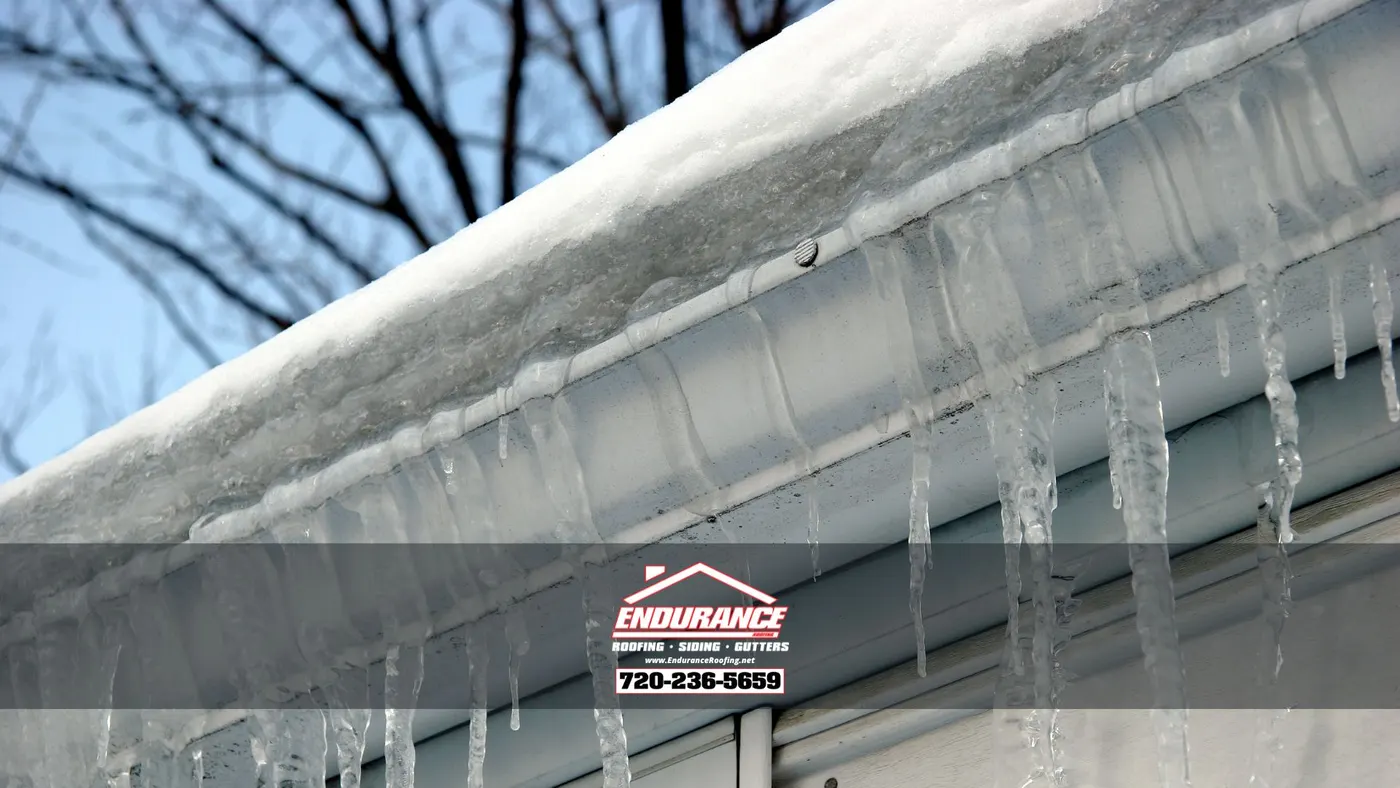
Ice buildup on your roof can be a safety hazard, and left unaddressed it can damage your roof and gutters. This step-by-step guide shows you how to clear it.
Find out how to de-ice your roof safely and effectively
Living in Colorado, we're no strangers to the challenges winter weather brings, especially when it comes to maintaining our homes.
One concern during the colder months is ice buildup on roofs. Not only can it pose a safety hazard, it can also damage your roof and gutters if it's left unaddressed.
To address it, here's a step-by-step guide you can follow.
1. Assess the situation
Before you begin, assess how much ice has built up on your roof.
Look for areas where ice dams have formed along the eaves, or where snow and ice have piled up in large amounts.
Take note of any spots where water may be pooling or leaking into your home.
2. Safety first
De-icing your roof can be hazardous, so make safety your first priority.
Use a sturdy ladder and wear slip-resistant footwear with good traction.
If you're uncomfortable or unsure about climbing onto your roof, consider hiring a professional. They know exactly how to de-ice your roof safely.
3. Remove snow
Start by safely removing any accumulated snow from your roof with a roof rake or snow shovel. Be careful not to damage your shingles or gutters in the process.
Clearing away the snow makes it easier to reach the areas where ice has formed.
4. Apply a de-icing agent
Once you've cleared away the snow, apply a de-icing agent to the affected areas. There are several options, including calcium chloride or magnesium chloride pellets, which can help melt ice and keep it from refreezing.
Follow the manufacturer's instructions when you apply the de-icing agent, and avoid rock salt, which can damage your roof and vegetation.
5. Use a roof rake
If you're dealing with ice dams along the eaves, a roof rake can be an effective tool for breaking them up.
Use the rake to gently chip away at the ice, working from the bottom of the roof up toward the peak.
Take care not to damage your shingles or gutters.
6. Create channels for water
Once you've broken up the ice dams, create channels so water can flow off your roof. This helps keep water from pooling and leaking into your home.
Use a roof rake or shovel to cut shallow channels in the remaining snow and ice, directing water toward the gutters and downspouts.
7. Clear gutters and downspouts
Don't forget to clear ice and debris from your gutters and downspouts so water can flow freely away from your home.
Use a gutter scoop or small shovel to remove any blockages, being careful not to damage the gutters.
8. Monitor and prevent
Now that you know how to de-ice your roof, the next step is to monitor and prevent.
Throughout the winter, keep checking your roof for signs of ice buildup and address any issues promptly.
You should also take steps to keep ice dams from forming in the first place. That can include improving attic insulation and ventilation, installing heat cables along the eaves, or using a roof coating designed to reduce ice buildup.
Need professional help to de-ice your roof?
Contact Endurance Roofing. We offer ice removal services in Colorado, and our team has the expertise to accurately assess your roof's condition and recommend the most effective de-icing solutions. We work fast, too.
Call 720-236-5659 or book online to schedule a free consultation.