Spray foam, fiberglass, cellulose, rigid foam and mineral wool all work in a cold Colorado home. Here is how they compare and what to weigh before you choose.
Find the best insulation for cold climates in this guide
If you live in Colorado, especially somewhere with cold winters like Denver, you need to take extra steps to keep your home warm and comfortable through the colder months.
One of the most important factors is proper insulation. Good insulation keeps your home warm, and it also helps reduce energy costs and environmental impact.
With so many insulation options available, choosing the best one for your home can be a challenge. This guide will help you decide.
Understanding insulation
Before getting into specific insulation types, let's look at the role insulation plays.
Insulation acts as a barrier to heat flow. It helps maintain a comfortable indoor temperature by keeping heat from escaping in the winter and from entering in the summer.
In cold climates like Colorado, proper insulation is important to retain heat and minimize energy loss.
Best insulation for cold climates
1. Spray foam insulation
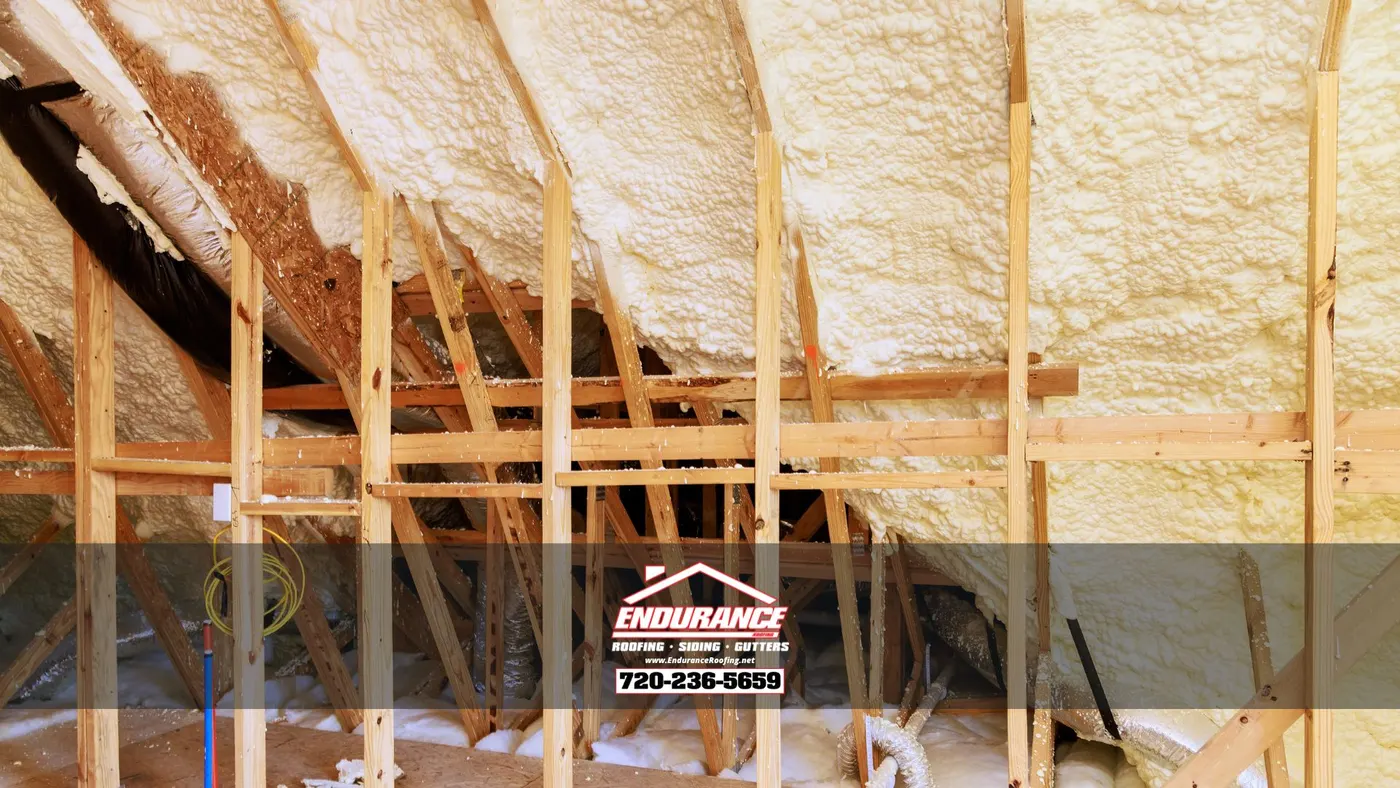
Spray foam insulation is highly effective in cold climates because it forms an airtight seal. It expands as it is applied, filling gaps and crevices in walls, ceilings, and attics to prevent heat loss.
It tends to cost more upfront, but its superior insulating properties and long-term energy savings make it a popular choice in Colorado.
2. Fiberglass insulation
Fiberglass insulation is a cost-effective option that provides good thermal performance. It comes in batts or rolls and can be easily installed in walls, floors, and attics.
It may not seal air as well as spray foam, but proper installation and layering can still provide adequate insulation against cold temperatures.
3. Cellulose insulation
Made from recycled paper treated with fire-retardant chemicals, cellulose is another strong choice for cold climates. It provides excellent thermal resistance and can be blown or sprayed into walls and attics.
Cellulose is known for filling gaps and voids effectively. That makes it a good fit for older homes with irregular wall cavities.
4. Rigid foam insulation
Rigid foam insulation boards offer high thermal resistance and moisture resistance, which makes them ideal for cold climates.
You can install them on exterior walls, on basement walls, and under concrete slabs to provide continuous insulation and minimize thermal bridging.
Rigid foam costs more than other options, but it delivers superior performance and durability.
5. Mineral wool insulation
Mineral wool insulation, also known as rock wool or stone wool, is made from natural minerals such as basalt or slag. It offers excellent thermal and sound insulation, which makes it ideal for cold climates and noisy environments.
It is also fire-resistant, moisture-resistant, and does not promote mold growth. That makes it a safe, durable choice if you are concerned about indoor air quality and safety.
Factors to consider
R-value
R-value measures insulation's thermal resistance, and higher values mean better insulation. In a cold climate like Colorado, choose insulation with a higher R-value to effectively combat the cold.
Air sealing
Proper air sealing is essential to get the most from your insulation and to prevent drafts. Consider spray foam insulation or caulking to seal gaps and cracks around windows, doors, and electrical outlets.
Moisture control
Moisture can reduce insulation's effectiveness and lead to mold and mildew growth. Choose insulation materials with built-in moisture resistance, or install vapor barriers to keep moisture out.
Contact Endurance Roofing for professional guidance
Whether you choose spray foam, fiberglass, cellulose, rigid foam, or mineral wool, Endurance Roofing can help you pick the best option for your home. Our team will assess your home's specific needs so we can recommend the best insulation for cold climates.
Contact us to schedule a free consultation.